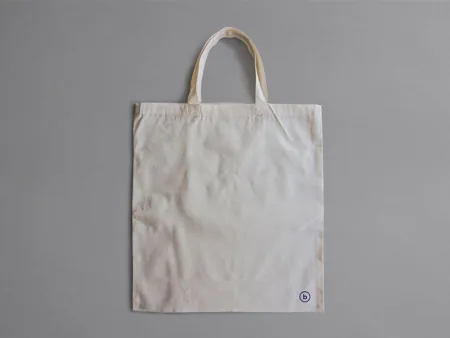
Carry
Measure the strap before buying a tote
Handle drop, coat thickness and carrying height matter more than a bag's overall height.
Notes on things
you use.
Bags, pockets and the things that travel with you.
Handle drop, coat thickness and carrying height matter more than a bag's overall height.
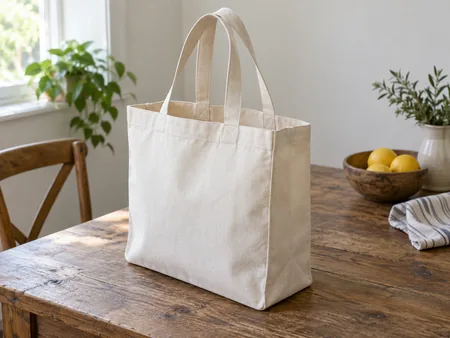
The folded panels at a tote's sides or base determine how well bulky objects settle inside.
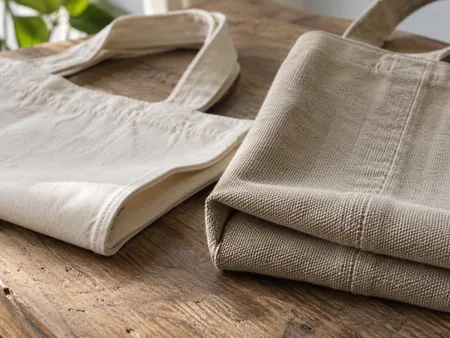
Fabric weight helps describe a tote, but seams, handles and empty weight deserve the same attention.
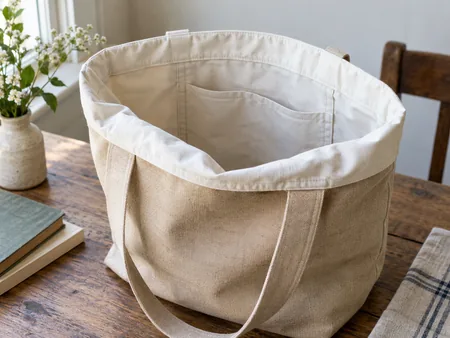
A lining can improve organisation and finish, though it also changes weight, visibility and cleaning.
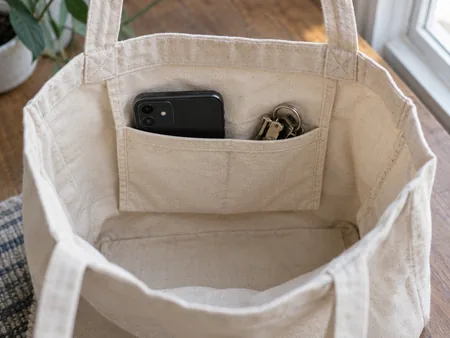
Judge a pocket by what you can reach and retrieve, rather than by the number on the product listing.
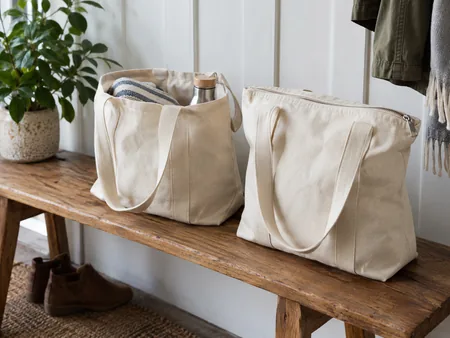
A top closure changes access and containment, but it does not make a tote waterproof or secure in every situation.
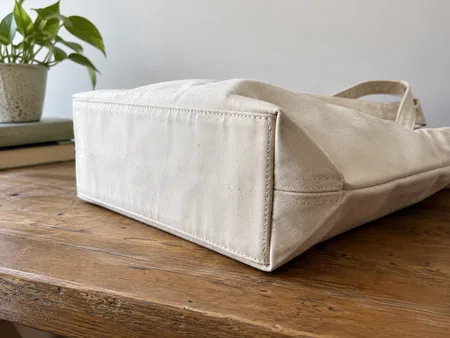
The base affects stability, packing and wear, even when it barely appears in the product photos.

Books fill a tote quickly; decide by carrying comfort and construction rather than spare space alone.
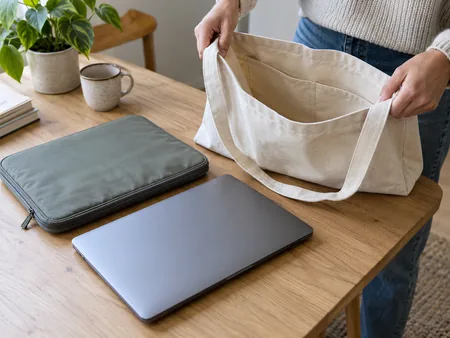
Check the opening, sleeve and impact protection before treating an everyday tote as a work bag.
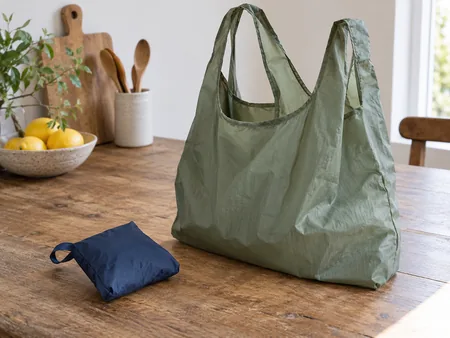
A spare shopping bag only helps when its folded size and packing method suit your everyday bag.
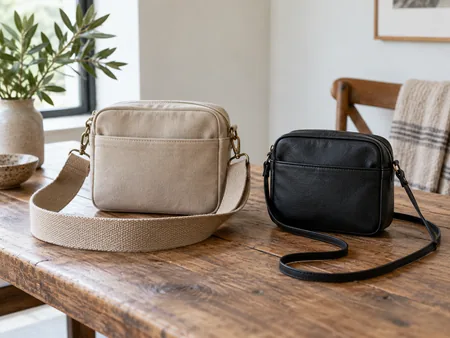
Width affects how a strap meets your shoulder, but edges, adjusters and load still decide comfort.
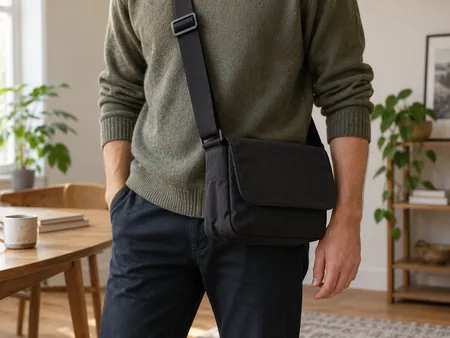
The right height keeps a bag reachable without making it swing or catch when you sit.
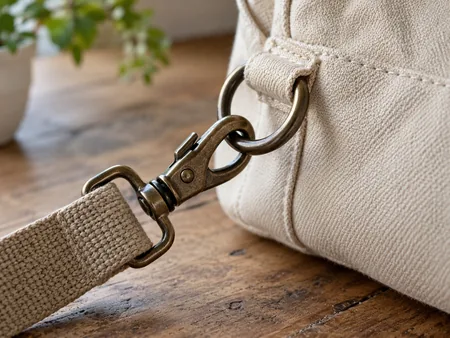
Small hooks, rings and buckles deserve inspection because they connect the parts you rely on.
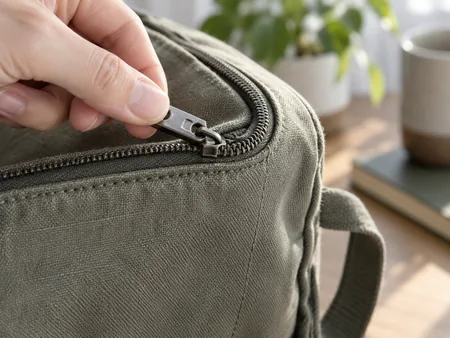
A zipper's smooth movement matters most when the bag is curved and filled, rather than empty and flat.
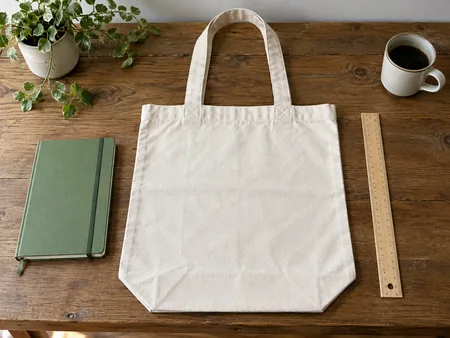
Use dimensions and a familiar object to judge a bag, since model photographs can disguise its proportions.
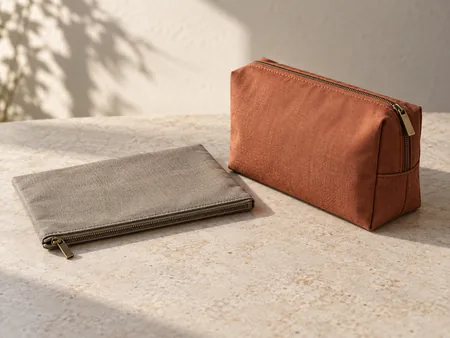
Choose a flat or gusseted pouch by the shapes of the things inside it and the bag around it.
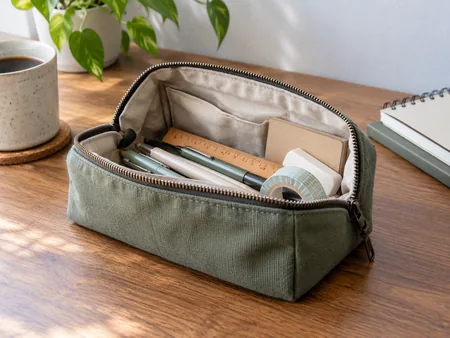
The length and position of a zipper can matter more than a pouch's total width.
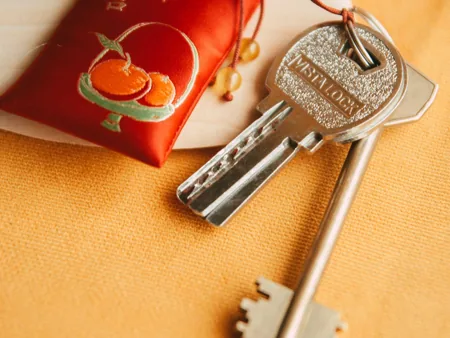
Split rings, clips and locking connectors suit different routines; choose for access and reliable closure.
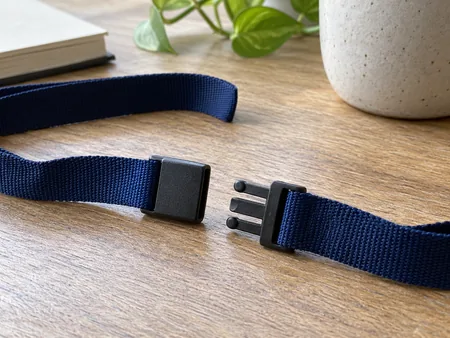
A safety release has a specific purpose and should not be confused with the clip that detaches an ID badge.
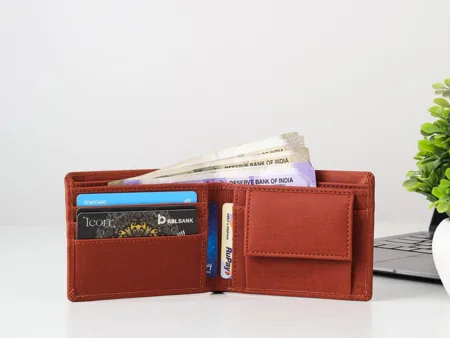
A realistic card count includes the cards you carry, how often you use them and any cash you still need.
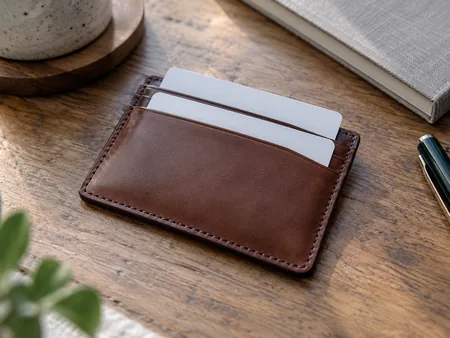
A slim profile is useful only if the cards you need are easy to remove and stay put afterwards.
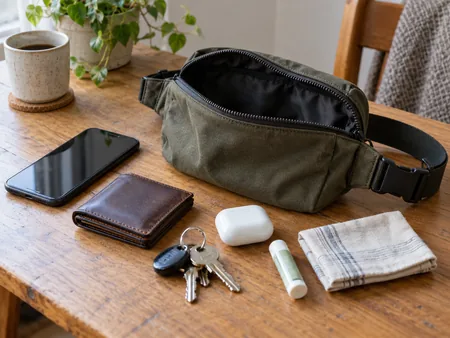
Check the phone, keys and wallet together; a litre figure alone does not show how a small bag packs.
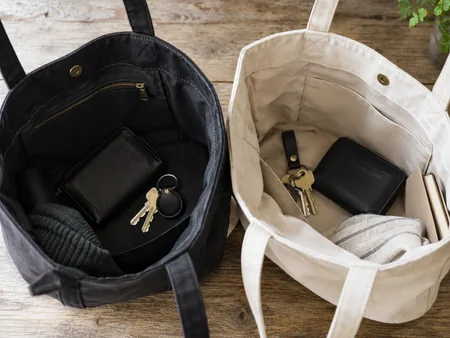
Interior colour, opening size and pocket placement all affect how easily you can find a small object.
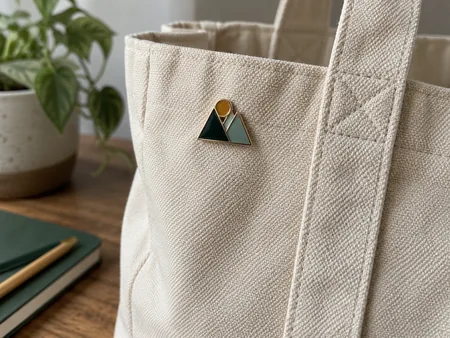
Choose the location, fabric and fastening carefully before pushing a pin through a much-used bag.
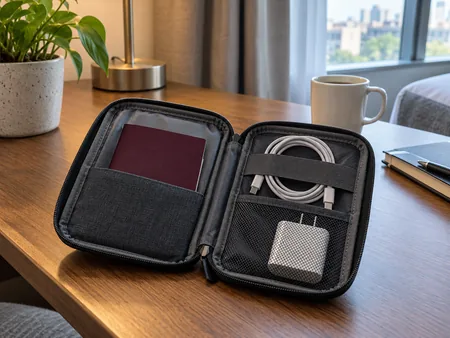
Group travel items by the moment you need them, rather than putting every small thing into one organiser.