Unisex sizing still needs measurements
Unisex describes how a style is offered. It does not replace information about shape, measurements or ease.
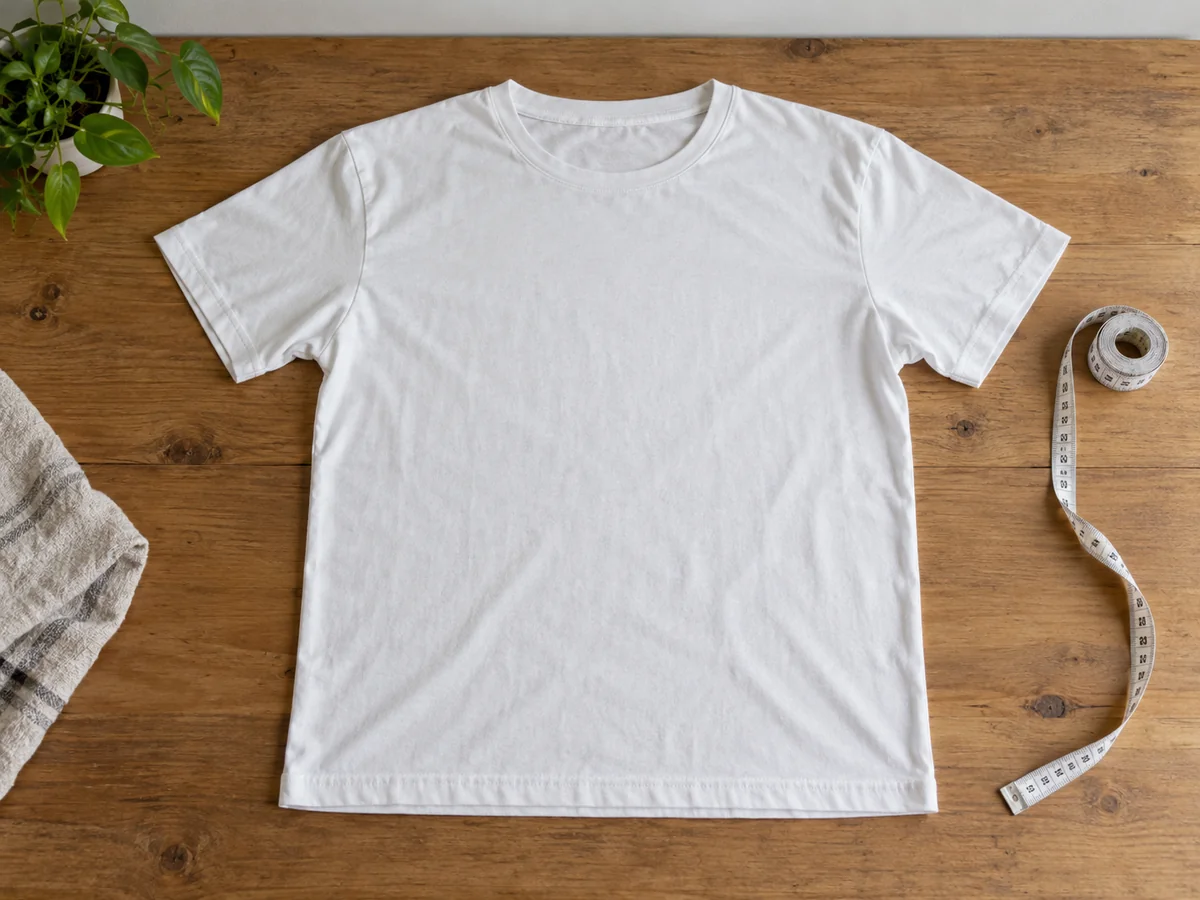
Read past the category name
A unisex label means the style is offered without a separate gendered version in that listing. It does not describe one universal body shape. The garment still has a particular pattern: a chest width, shoulder shape, length, sleeve and neckline. Those dimensions determine the fit far more directly than the category name.
Do not rely on a fixed rule such as always taking one size down. That might happen to work with one brand and fail with another. Even within the same brand, a relaxed tee and a close-fitting long sleeve can differ substantially. Use the chart for the actual style.
Decide what fit you are trying to reproduce
Choose a reference garment that suits the same purpose. A fitted underlayer is not a useful model for a loose graphic tee unless you deliberately want the new shirt to be closer. Lay the reference flat and measure using the seller's diagram. Keep width and circumference clearly distinguished in your notes.
Consider where you need ease. The chest, upper arm, hip and abdomen can each change how the garment hangs. A straight body may fit the chest comfortably but catch lower down. A broad shoulder may make the sleeves appear longer. These are pattern relationships, not reasons to assume the wearer is using the wrong category of clothing.
Look at more than one worn photograph when available, especially on people with different proportions. Note the size each person is wearing, but do not convert height alone into your size. Two people of the same height can need very different combinations of width and length.
Check the edges of the size range
If the chart's smallest size is still too long, or the largest is too close in the area you need, ask whether another cut is available. A cropped, boxy, extended-length or more shaped garment may solve the issue. Choosing another pattern is often more effective than trying to shrink, stretch or permanently fold the first one.
For a gift, avoid translating someone else's usual size into a unisex letter without evidence. Ask for the measurements of a similar favourite shirt, or choose an item that does not require a close fit. A clear return or exchange arrangement is useful, but it should not substitute for checking the dimensions before ordering.
Once you find a unisex style that works, record the style name, size and washed measurements. That gives you a reliable reference for that garment. It does not establish a permanent unisex size across the rest of the market, where the same word covers many different shapes.