Removing a sticker without rushing
Slow peeling and a surface-safe method are more useful than an aggressive tool. The object underneath deserves priority.
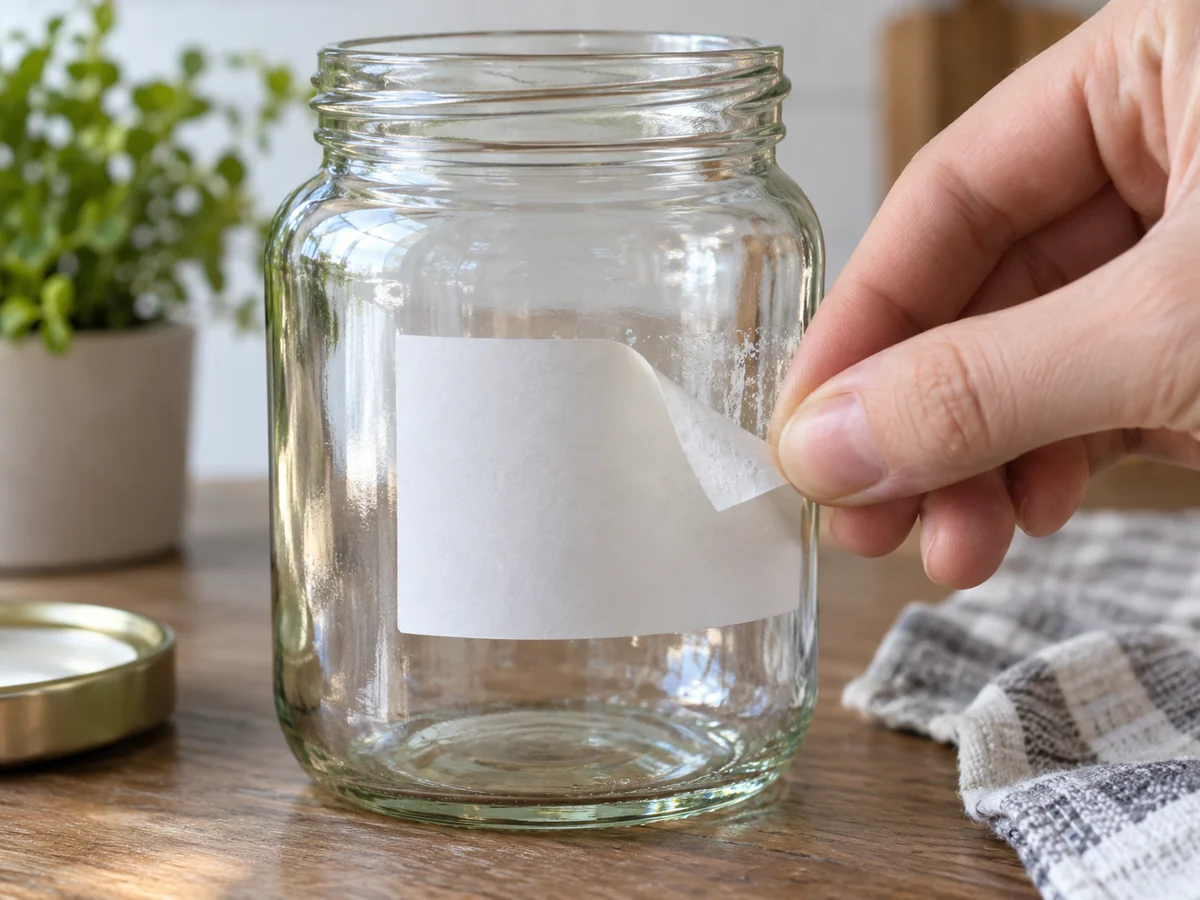
Identify what you are trying to save
Before removing a sticker, decide whether the priority is the sticker, the surface or both. Often the sticker will not survive, especially if it was made with permanent adhesive. Protecting the object is the more useful goal. A painted case, a wooden notebook cover and plain glass need different treatment. Check the object's cleaning instructions and any removal guidance supplied with the sticker.
Do not begin with a metal blade. It is easy to turn a small adhesive problem into a permanent scratch. Start at an edge that has already lifted, using a fingernail or an appropriate gentle tool if the surface permits it. Work slowly and keep the pull controlled. If the finish starts lifting with the sticker, stop instead of increasing the force.
Separate peeling from residue removal
Removing the face material and cleaning the adhesive left behind are two different stages. Paper may tear into small pieces, while a film sticker may come away more continuously. Neither outcome tells you which cleaner is safe underneath. Keep liquids away from openings, electrical parts and paper that should remain dry. Do not soak an assembled electronic item to loosen a decorative label.
For residue, begin with the gentlest method allowed for the surface. Where soap and water are suitable, try a small amount with a soft cloth rather than flooding the area. If an adhesive remover is needed, check its compatibility and test in an inconspicuous place first. Follow its instructions, including ventilation and rinsing. Strong solvents can damage paint, coatings and plastics; a familiar household product is not automatically a harmless shortcut.
Know when to leave it alone
Heat is sometimes recommended for particular decals, but it is not a universal instruction. A nearby battery, a delicate finish or a heat-sensitive material changes the decision. Follow product-specific guidance rather than copying a technique from a car-window example onto a phone case. If the object is valuable or the finish uncertain, professional advice may cost less than a failed experiment.
After cleaning, allow the surface to dry and look at it under ordinary light. A difference in colour can remain where the exposed area has aged differently; more scrubbing will not necessarily remove it. For future decoration, choose removable adhesive intended for the surface or apply stickers to a replaceable sleeve. It is reasonable to stop when the next step puts the object at risk. The most successful removal is the one that leaves the thing usable, even if the old sticker ends up in pieces.
Further information