Sock cuffs should stay put comfortably
The top of a sock should hold its position without becoming the part you notice all day.
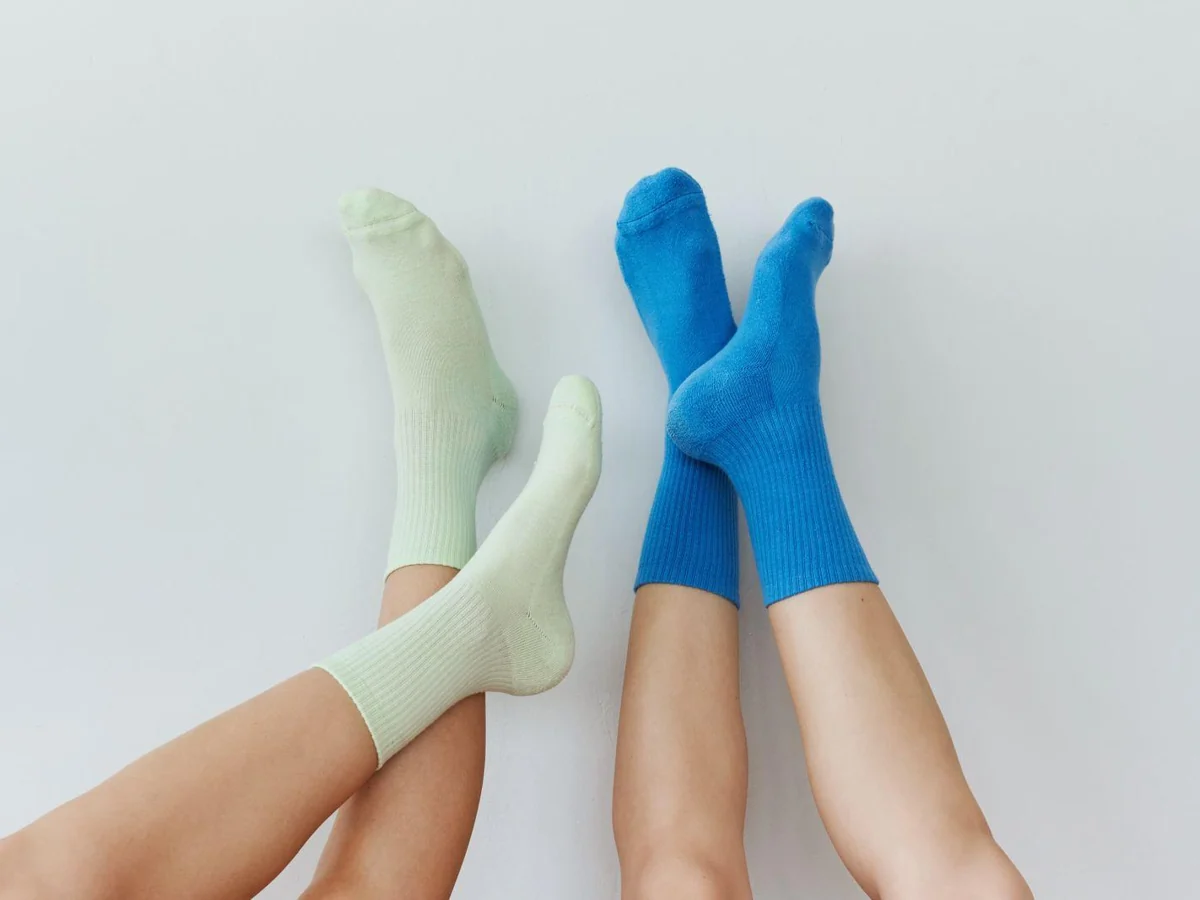
Check the whole sock before the cuff
A sock cuff is the band around the top opening. It helps keep the sock in place, but it is not the only part responsible for fit. If the heel pocket sits in the wrong position or the foot has too much spare fabric, tightening the top will not solve the mismatch. Start with the size chart and put the heel where it belongs.
Smooth the sock gently rather than pulling hard at the cuff. Excess material can gather around the ankle or inside the shoe. That may feel like a loose top when the real problem is a foot section that is too long or a style unsuited to the shoe.
Notice pressure without turning it into a test
The cuff should remain comfortable while standing, sitting and walking normally. If it feels pinching or distracting, reconsider the fit. Do not keep wearing an uncomfortable sock on the assumption that a firm grip proves quality. Persistent pain, numbness, swelling or unexplained changes deserve appropriate professional advice rather than a shopping adjustment alone.
Look at where the cuff lands. An ankle sock, crew sock and knee-high place their opening on different parts of the leg, so the same apparent band width does not mean the same experience. A longer sock can also interact with a boot shaft. Try the socks with the footwear and trouser length you intend to use.
If the sock slides down, examine whether the heel remains correctly positioned and whether the shoe is dragging the fabric. A smooth shoe lining, a loose sock and a low cut can create a different problem from a worn-out elastic top. The solution might be another size or sock height rather than a stronger cuff.
Read care and construction together
Elastic fibres are commonly part of a sock's fit, but composition alone does not tell you how the opening will feel. Look at the construction, size range and intended use. A fashion sock, a hiking sock and a medically prescribed compression garment serve different purposes. Do not substitute one for another because all three feel firm at the top.
Follow the label when washing and drying. Avoid pulling a damp sock into shape by hauling on the top band, and do not use high heat to try to tighten a loose pair. Uncontrolled treatment can change more than the cuff and leave the rest of the sock fitting worse.
When you find a comfortable pair, note its exact style and size. Even within one brand, different heights and cushioning levels can fit differently. A good cuff is part of a balanced sock that stays positioned without demanding attention throughout an ordinary day.
Further information